
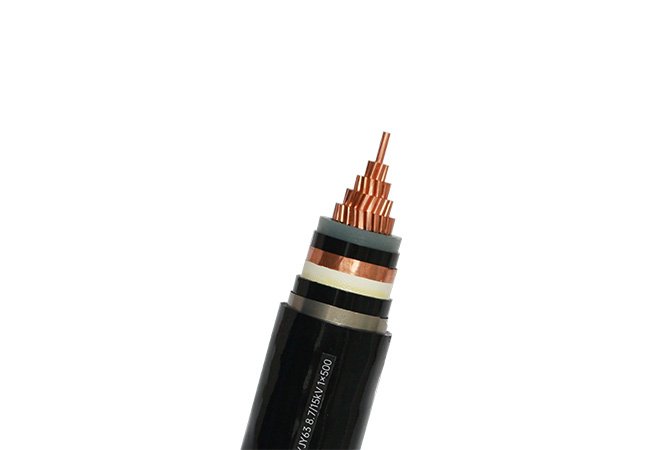
Armoured Cable Parameter
Conductor material: copper, aluminum, alloy, etc.
Conductor cross-sectional area: 1.5-1000mm2
Insulation layer: PVC/TPE/rubber, etc.
Sheath material: PVC/PE, etc.
Armor layer: steel belt, steel wire, copper wire, etc.
Voltage level: low voltage/medium voltage
Number of cores: single core, 2 cores, 3 cores or multi-cores
Minimum bending radius: greater than 10 times the outer diameter of the cable for static laying, greater than 15 times the outer diameter of the cable for dynamic laying
Is customization supported: yes
Armoured Cable With Good Mechanical Properties
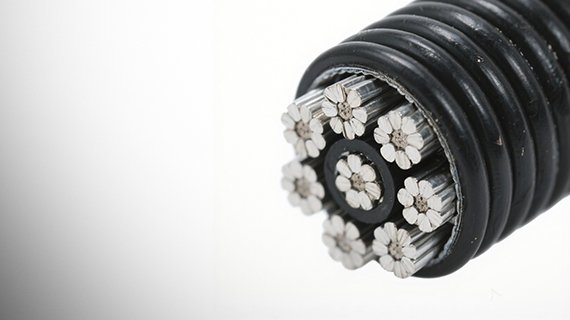
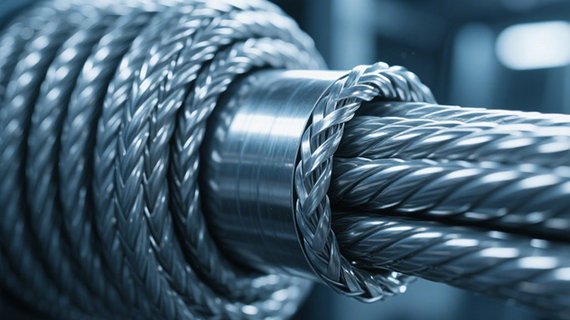
We supply you with cables for use in situations where high tensile forces are required. By adding steel belt or steel wire armor layers, our cables have excellent mechanical properties and compressive strength. Welding the armor layer through the argon arc welding process can greatly improve the sealing, mechanical strength and performance of the cable. Please feel free to choose.
Armoured Cables That Have Passed Rigorous Testing
Before delivering each of your armoured cables, we will conduct the following inspections: electrical performance tests, including insulation, resistance tests, withstand voltage tests, partial discharge tests, etc. Secondly, mechanical performance tests: including tensile tests, bending tests, impact tests, etc. on the armor layer. For special environments, armoured cables will be subjected to salt spray and water barrier tests, etc. We will ensure that every product you receive meets the standards.
It may be due to insufficient zinc coating or salt spray corrosion. It is recommended to increase the thickness of the zinc coating or use a stainless steel armor layer.
Of course, copper is more corrosion-resistant and more flexible than galvanized steel, but generally speaking, the cost of using copper as the armor layer is relatively high. It depends on your project requirements. You can consult us.
The two sections of the armoured cable armor layer must be grounded to prevent induced voltage.