
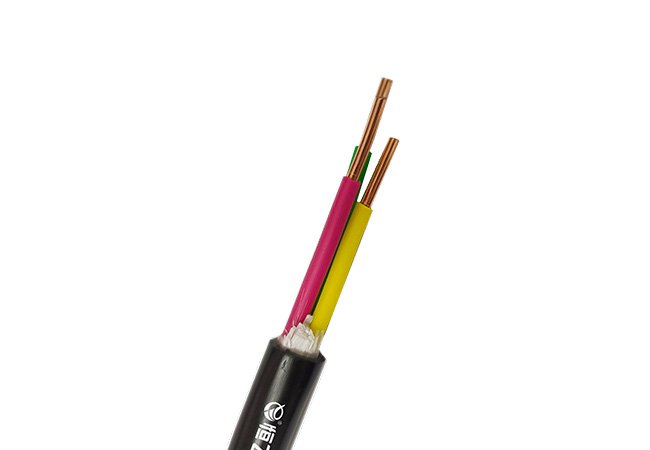
EV Charging Cable Parameter
Conductor material: copper, aluminum
Conductor cross-sectional area: 2.5-100mm2
Insulation layer: XLPE/SIR/TPE, etc.
Sheath material: PVC/TPU/LSZH, etc.
Voltage level: low voltage/medium voltage/high voltage
Number of cores: single core, 2 cores, 3 cores or multi-core
Minimum bending radius: fixed installation greater than 4 times the outer diameter of the cable, dynamic greater than 6D
Is customization supported: yes
High-Efficiency EV Charging Cable
Hengxun EV Charging Cable uses high-purity copper as a conductor to ensure that the cable has good conductivity and corrosion resistance, which can ensure minimal energy loss during charging and has higher charging efficiency than aluminum conductors. In addition, it uses a high flame-retardant sheath and double-layer insulation to prevent short circuits, making it a safe and reliable choice.
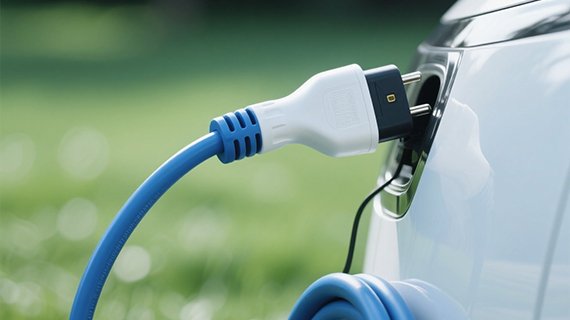
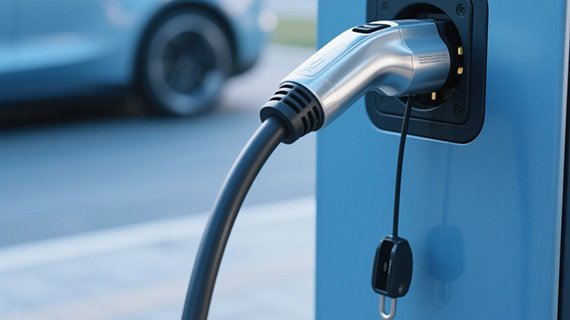
Ev Charging Cable With Strong Temperature Resistance
Even if your EV Charging Cable is used in extremely cold or hot areas, our cables can easily adapt. Withstanding a wide temperature range of -40 degrees to 125 degrees, it has good environmental adaptability. In addition, we also provide you with plug-in and unplug-resistant interfaces, which can remain normal even after tens of thousands of plug-ins and unplugs.
Generally speaking, cable overheating is caused by insufficient conductor cross-sectional area or high contact resistance.
By adding aluminum foil shielding and copper braided mesh, the EV Charging Cable can achieve a good shielding effect without affecting vehicle communications?
Generally, it is because the PVC sheath is easily brittle in a low temperature environment. It is recommended to use an EV Charging Cable with a TPU or silicone sheath instead.