
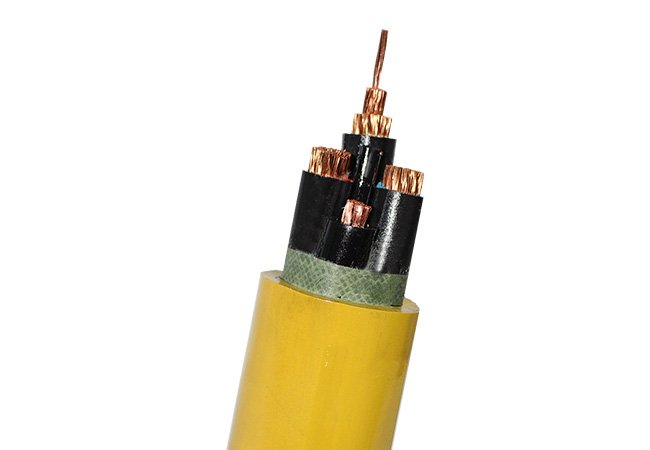
Trailing Cable Parameter
Conductor material: copper, aluminum, alloy, etc.
Conductor cross-sectional area: 1.5-1000mm2
Insulation layer: TPE/rubber, etc.
Sheath material: TPU/PUR, etc.
Armor layer: steel belt, steel wire, copper wire, etc.
Voltage level: low voltage/medium voltage
Number of cores: single core, 2 cores, 3 cores or multi-cores
Minimum bending radius: greater than 6 times the outer diameter of the cable for static laying, greater than 10D for dynamic laying
Is customization supported: yes
Tensile and wear-resistant Trailing Cable
Multiple strands of oxygen-free copper fine copper wires are twisted together as conductors, ensuring that the trailing cable has high conductivity while also having extraordinary flexibility. In addition, our trailing cables use highly elastic insulation and sheath materials to ensure that the cable is not easy to crack and wear when bent, and can maintain stable transmission even with frequent bending and twisting.
Trailing Cable That Is Easy To Install
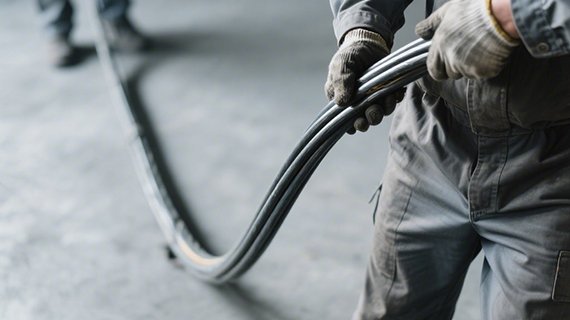
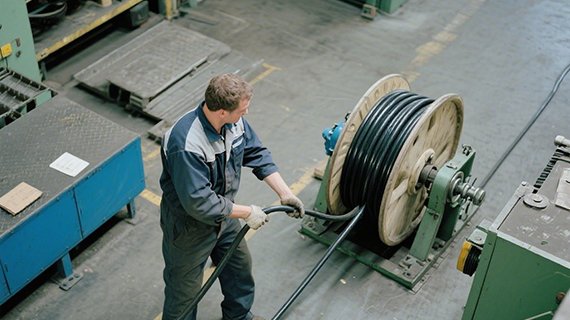
Hengxun trailing cable uses pur as the sheath, making it lighter than rubber cables of the same specification, which can greatly reduce the load on the system. In addition, we have optimized the twisting structure to avoid kinking inside the cable, so that it can remain normal even at high speeds, making your installation more convenient and faster.
Generally not recommended, the main reason is that the cost of trailing cables will be higher than that of ordinary cables. From the perspective of cost control, we recommend choosing the right type of cable according to different usage scenarios. You can also consult our customer service for details.
It may be due to insufficient bending radius during laying or over-life use.
Generally speaking, PUR sheath has better wear resistance and oil resistance than TPE, and the cost of PUR is also higher than TPE.